
Allergies and skin conditions: looking beyond the surface
Imaad Karim, Naturopath / 8 min read / Updated September 2026
Healthy skin is about more than what you put on it.
If you have dealt with eczema, acne, psoriasis, rosacea or skin that itches constantly, you already know the pattern. Something works, the skin settles, and then weeks or months later it is back.
Topical treatment matters and I am not dismissive of it. It is often what makes a flare liveable. What it does not do is explain why the symptoms turned up in the first place, which is the part people are usually still stuck on when they come to see me.
So I look at the whole person rather than only the patch of skin: what may be contributing to ongoing inflammation, and what could support the skin’s own barrier over the longer term.
Presentations I see most
Skin conditions affect people of every age and vary enormously in severity. Each of these is different, but most involve some combination of the same three things: a compromised skin barrier, inflammation, and immune function.
- Eczema Atopic dermatitis
- Acne Including hormonal patterns
- Psoriasis Plaque and scalp presentations
- Rosacea Flushing and sensitivity
- Urticaria Hives
Understanding allergies
An allergy is the immune system reacting to something normally harmless, pollen, dust mites, a particular food, animal dander. That reaction can show up in the skin, the airways or the digestive tract, which is why it so often gets untangled slowly.
- Sneezing and nasal congestion
- Itchy or watery eyes
- Rashes or hives
- Swelling
- Wheezing
- Digestive symptoms after certain foods
Worth being precise about
A food allergy involves the immune system and can be serious. A food intolerance is generally a difficulty digesting something. They are not the same thing, they are not managed the same way, and getting the distinction right early saves people from cutting out foods they never needed to.
The gut-skin connection
One of the core principles of naturopathic care is that the body works as an interconnected system rather than a set of separate parts.
Not every skin condition begins in the gut, and I would be cautious of anyone who tells you otherwise. But research continues to explore the relationship between digestive health, the immune system and the skin, often described as the gut-skin axis.
The digestive system houses trillions of beneficial microorganisms that help support:
- Healthy immune function
- Nutrient absorption
- Intestinal barrier integrity
- Balanced inflammatory responses
Where gut health is compromised, it may influence immune regulation and inflammation, and both of those can affect skin in some people. That is the reason I ask about digestion in detail even when you have come in about your face.
Why nutrition matters
Skin is constantly repairing and regenerating, and it needs a consistent supply of raw materials to maintain its protective barrier. These are the nutrients most involved:
| Nutrient | What it supports |
|---|---|
Getting nutrition right is not a quick fix, but it does provide the building blocks the skin needs to work with.
A personalised approach
No two people with the same skin condition are the same underneath it. For one person nutritional deficiency may be the main contributor. For another it is digestion, hormones, chronic stress, broken sleep, or something in their environment.
My aim is not to chase the rash. It is to understand what may be contributing to your particular presentation, and to build a plan around that, personalised nutrition, lifestyle adjustments and evidence-informed natural medicine, alongside whatever your GP or dermatologist is managing.
My own skin
I do not write about this from a distance. I have dealt with it on my own arms for years: the itch that wakes you at night, the stretch where it settles and you start to relax, and then the morning you notice it coming back.
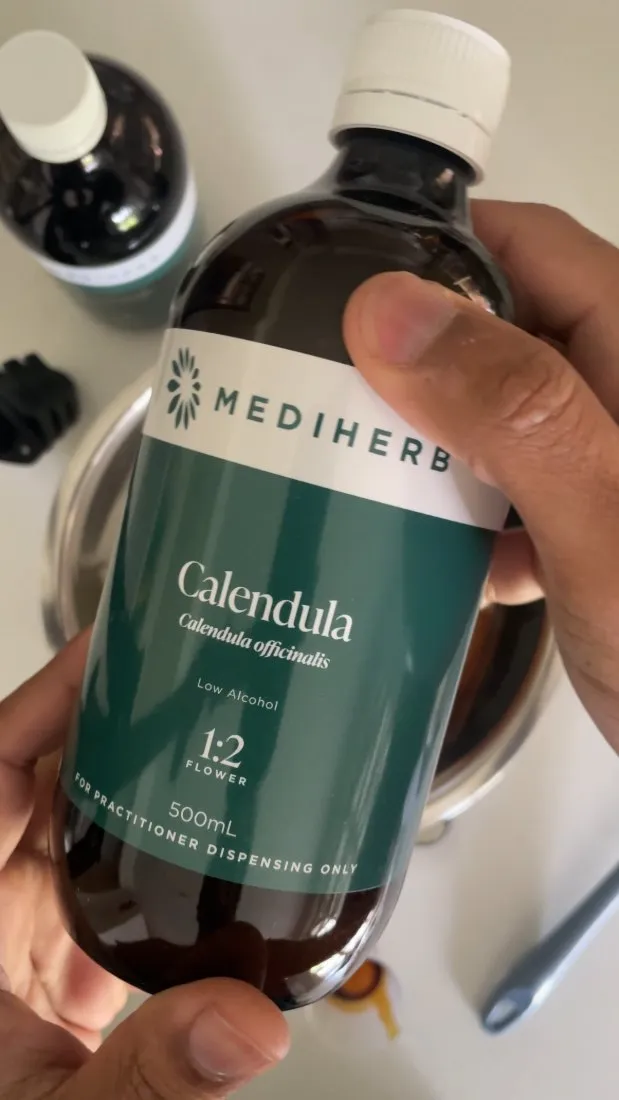
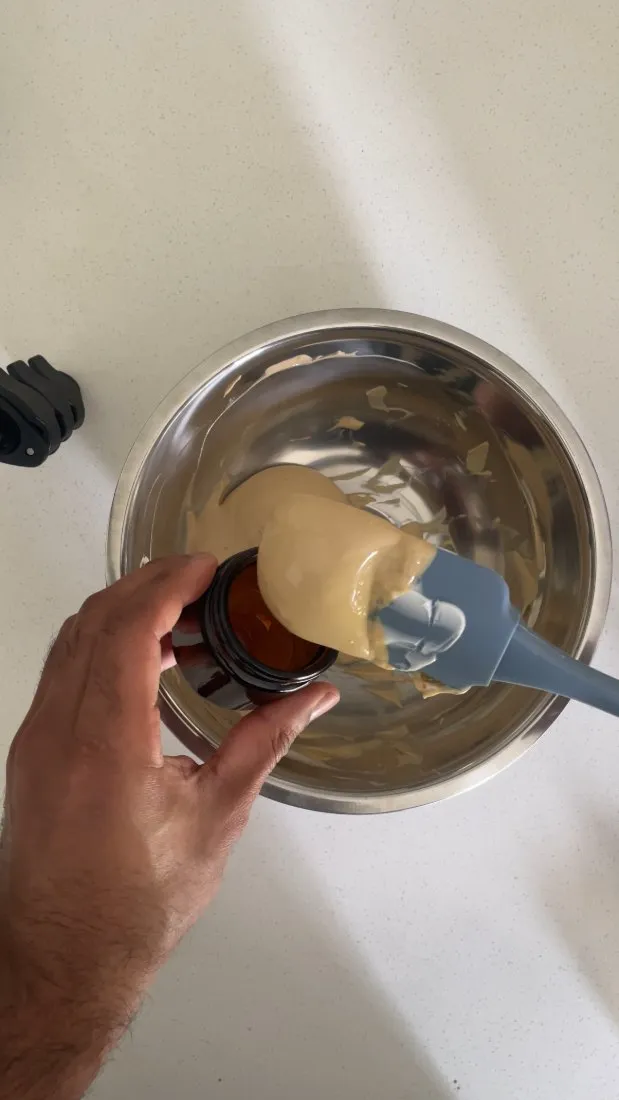
What I did about it was never one thing. I worked on my gut, I used targeted herbal medicine, and I kept using topical treatment, because it helped. In the same period I also changed how I ate and how much I slept, trained hard through some months and barely at all through others, and went through stretches of high stress. That is the honest picture, and it is exactly why I will not point at any one part of it and call it the reason.
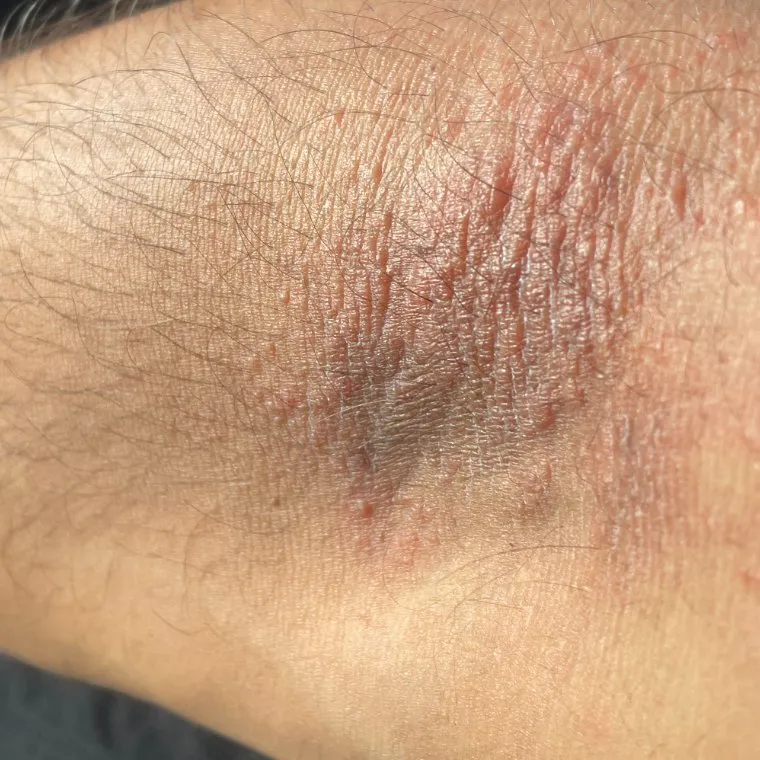
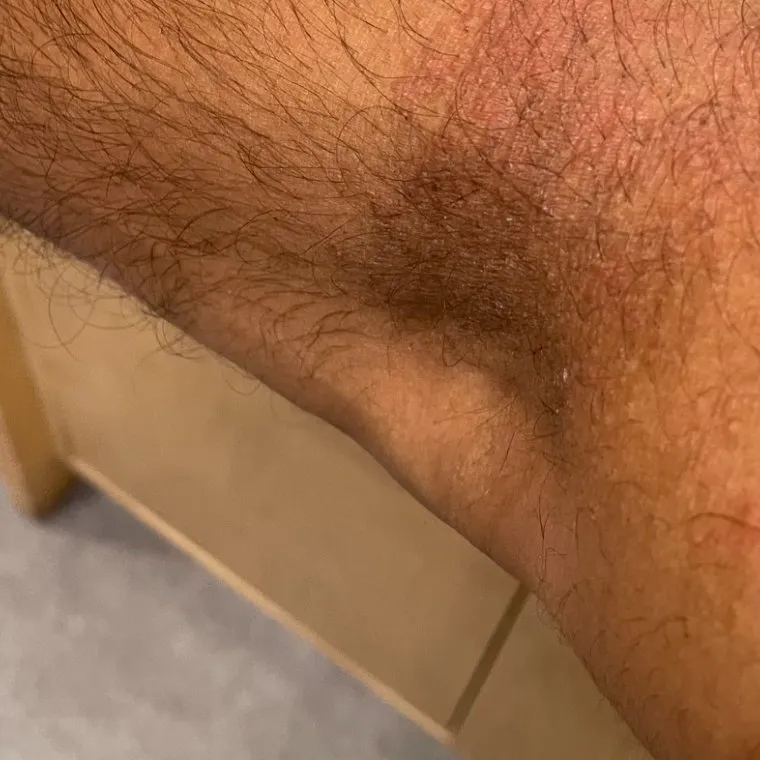
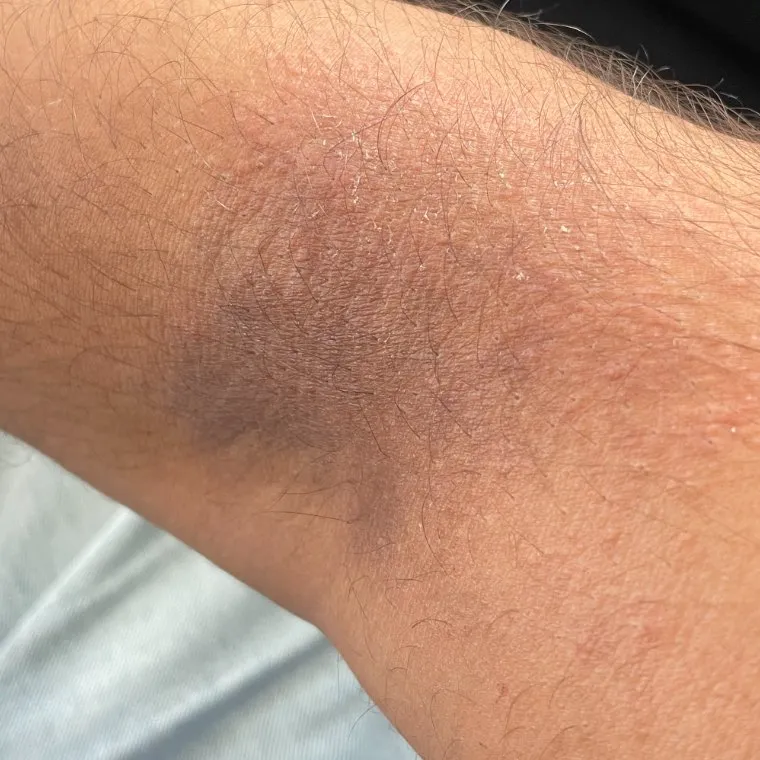
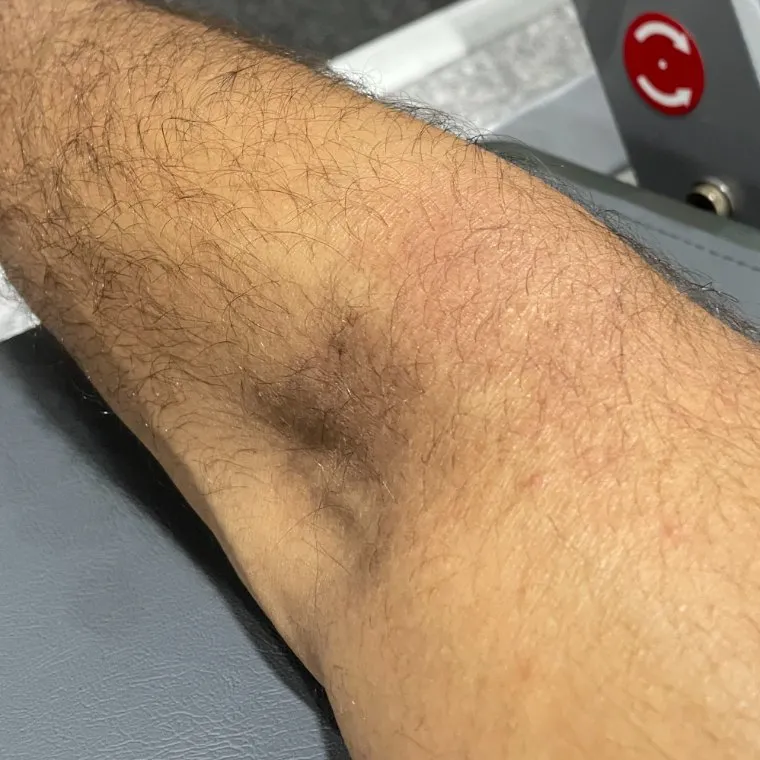
My own skin, photographed at four different points. I include these because people ask, and because I think it is fair for you to know I have sat on the other side of this conversation. They are photographs of one person’s skin over time. They do not establish that any particular treatment caused the change, and they are not an indication of what would happen for you. Skin varies enormously between people, between seasons, and for reasons that are never fully accounted for.
What I take from it is patience rather than proof. Skin is slow, it moves in both directions, and anyone offering you a fixed timeline is guessing. What I can do is help you look properly at what might be feeding it.
Start with a conversation
If your skin or allergies have been going on for a while, the roadmap call is free and is partly there to work out whether I am the right person for it.
This article is general information, not a diagnosis or personal health advice. Severe allergic reactions are a medical emergency, call 000. Keep taking prescribed medication and keep seeing your GP or dermatologist.